
SSANU comprises six zones and 96 branches across Nigerian universities, facilitating effective representation and engagement for its members.
The history of SSANU could be said to have commenced when in 1993 Sir B.A.C. Onwurah (UNN) and other compatriots like Comrs Dapo Oluge (UI), Barr. Senbanjo (UNILORIN), Comrs (Barr.) Sam Piwuna, Akande (UNIJOS), Comr. (Mrs.) Mustapha (ABU, Zaria), Comr. (Barr.) Odey (UNICAL) Comr. Laz Igbokwe (UNN) to mention but a few, extricated SSANU from the amorphous SSAUTHRIAI and sustained the Union for about 7 years (1993-2000) with very meager resources at their disposal.
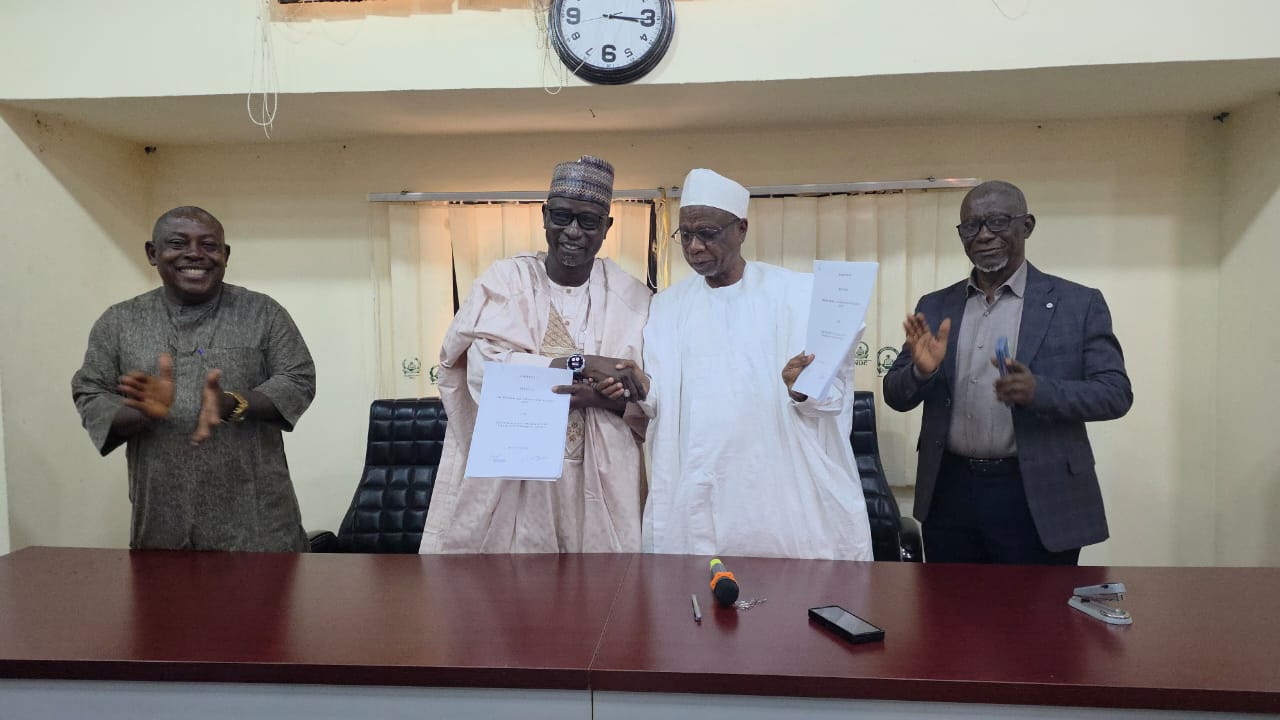
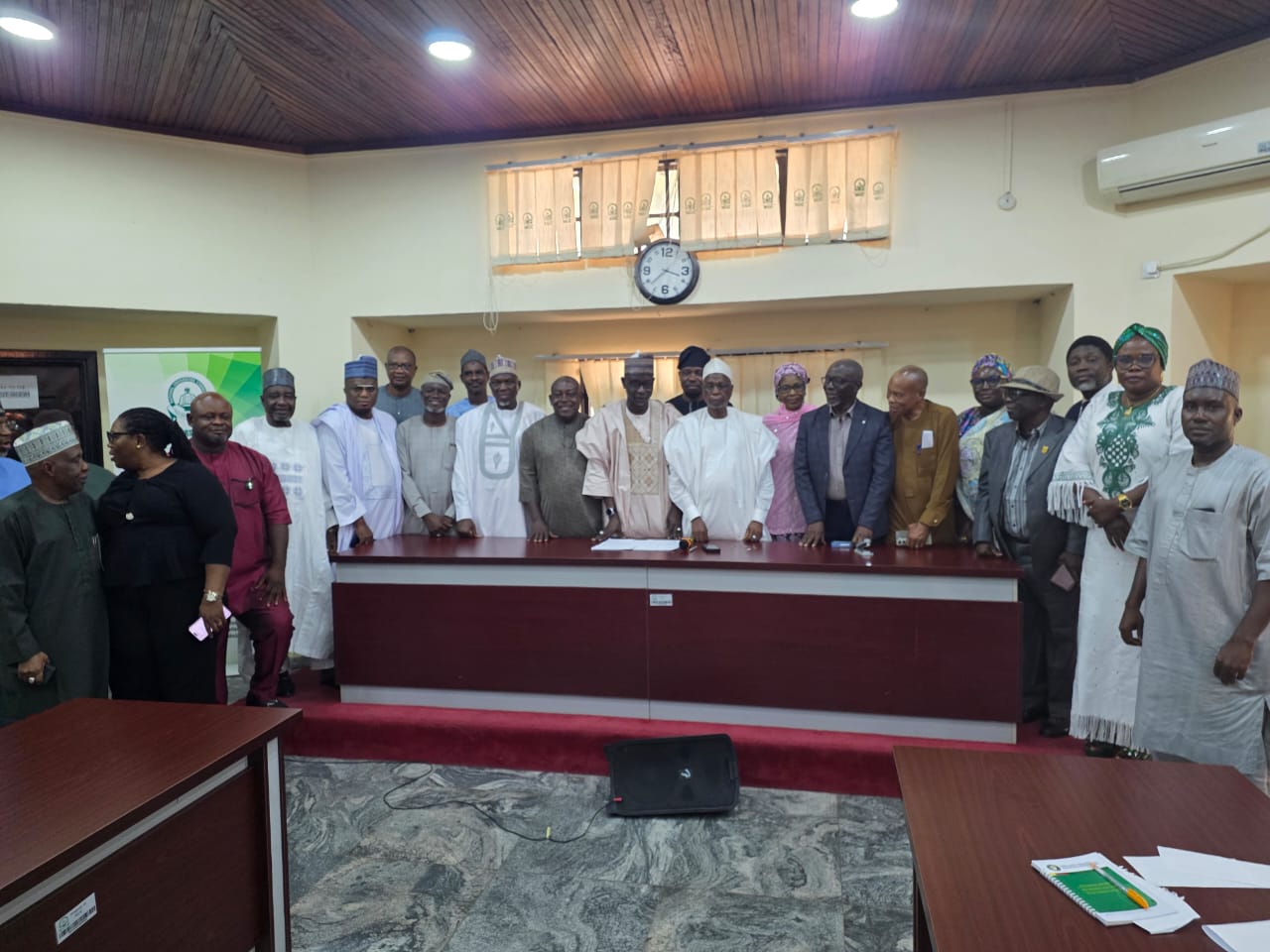
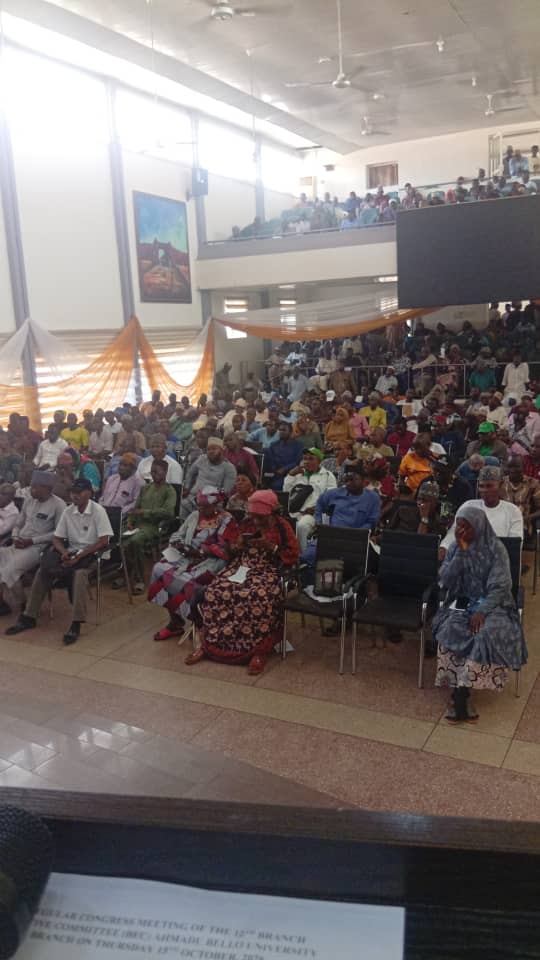
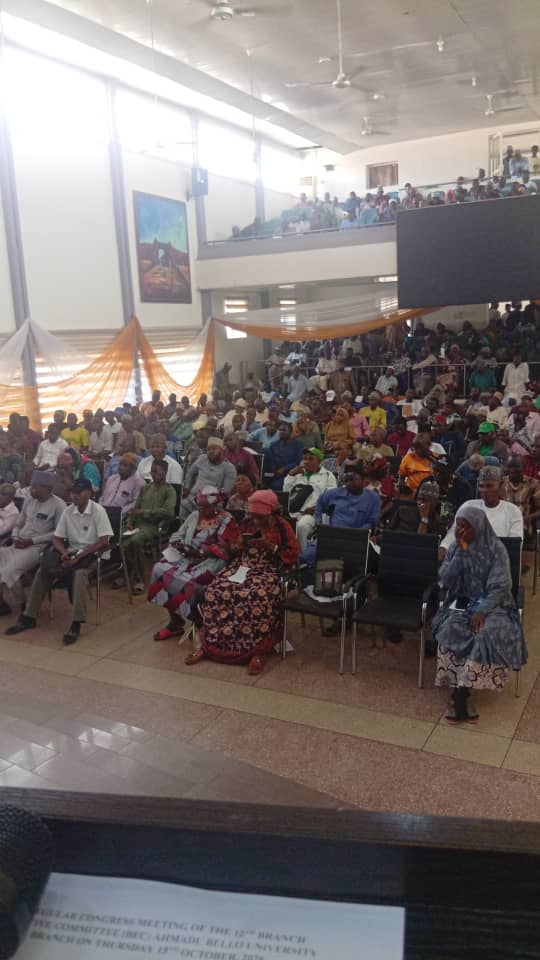
SSANU held its 53rd National Executive Council Meeting at the University of Jos, Plateau State, to discuss member welfare and federal agreements.
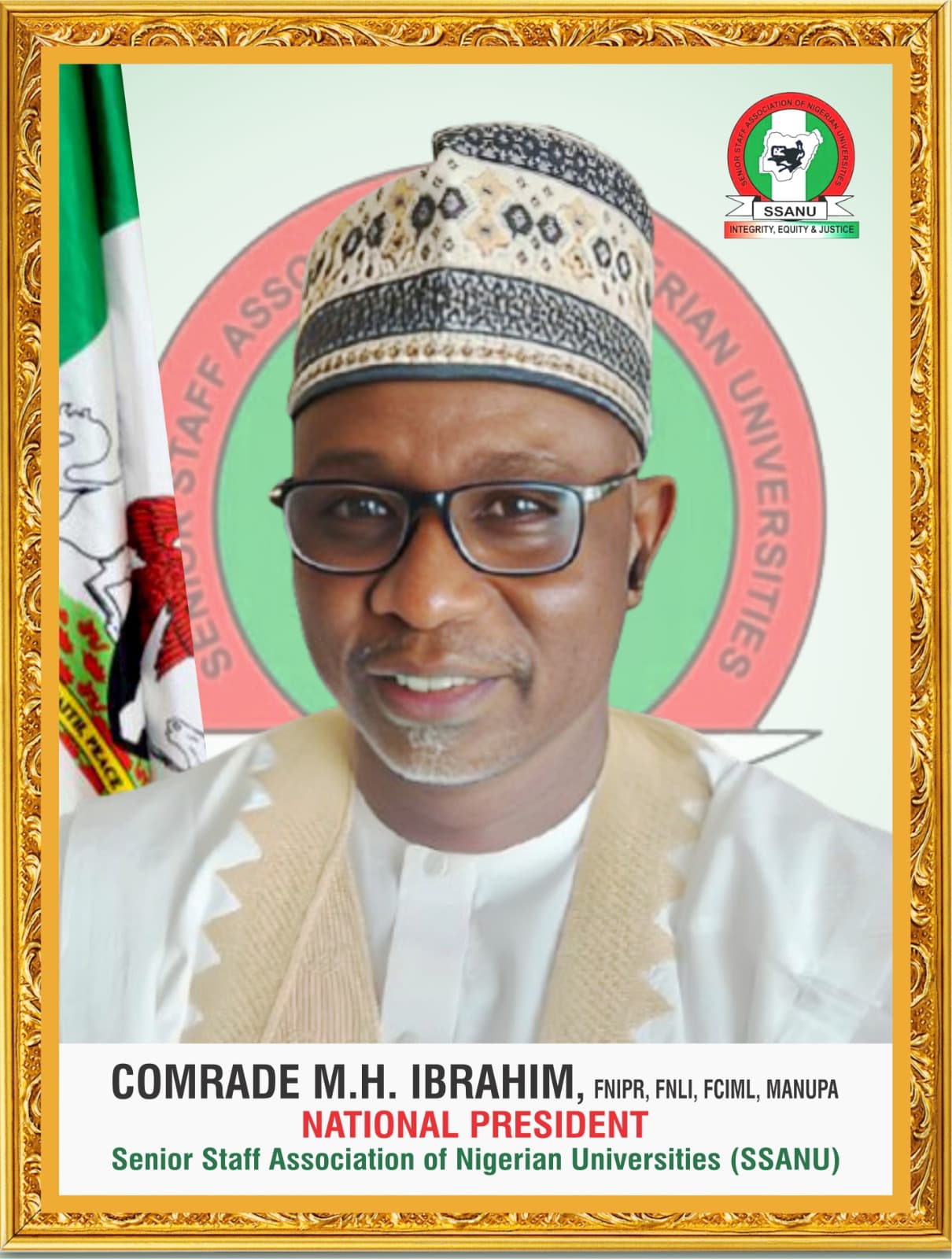
The National President and delegates paid a royal visit to the Eze Imo palace to strengthen ties with the host community during the 52nd NEC session.
Key resolutions were reached during the 52nd NEC meeting regarding staff promotion arrears and university autonomy.
To avoid industrial disputes, SSANU calls for the immediate release of outstanding earned allowances for non-academic staff.
We are delighted to invite you to learn more about the Senior Staff Association of Nigerian Universities (SSANU). As a key voice in advocating for the rights and welfare of non-teaching staff in Nigerian universities, SSANU is committed to fostering a supportive, equitable, and progressive working environment across all universities.
Our mission is to represent the interests of our members, ensuring their contributions to the academic and administrative frameworks of Nigerian higher education institutions are recognized and valued. Through collaboration, advocacy, and continuous engagement, we aim to strengthen the university system and enhance the professional lives of senior staff.
SSANU believes in the power of collective action and constructive dialogue. We work tirelessly to negotiate better conditions of service, fair remuneration, timely promotion, and a conducive work environment. We also advocate for transparency, accountability, and due process in university administration, ensuring our members are treated with dignity and respect.